

Is an Old Broken Violin Worth an Appraisal? Everything You Need to Know
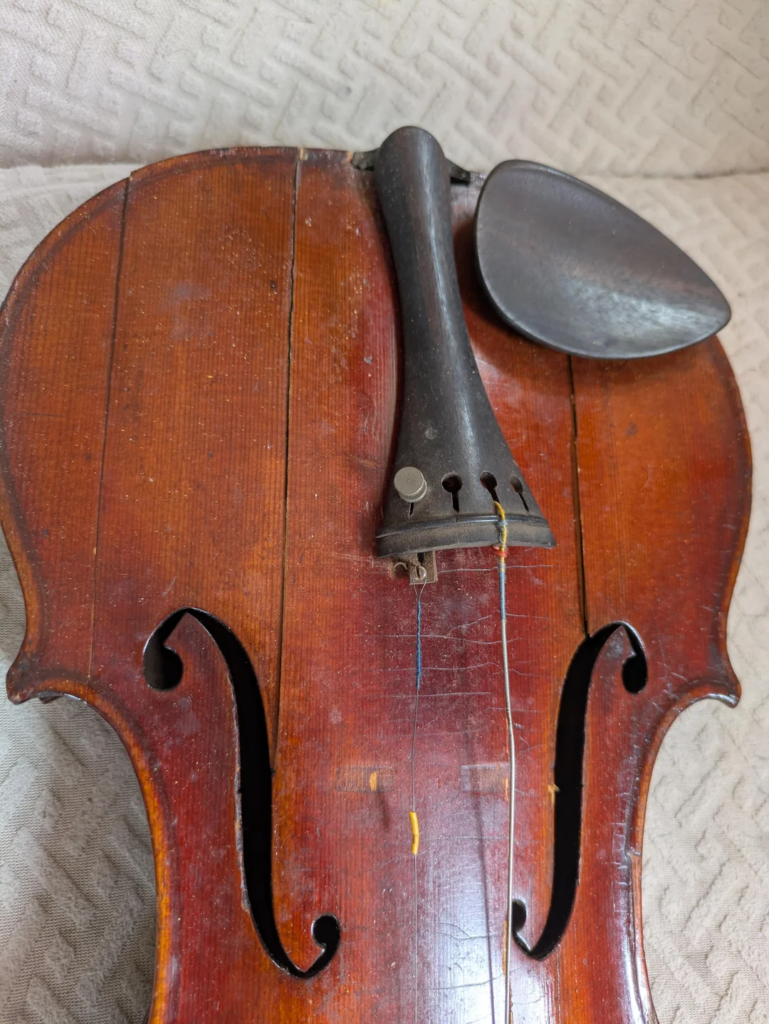
Finding an old family violin in the attic can be exciting, especially when it has been passed down through generations. Many people wonder whether a damaged violin is simply an old instrument or a valuable antique worth restoring.
In this case, the violin reportedly belonged to the owner’s great-grandfather and appears to date back to 1912, carrying the name Peter B. Baltzerson. A quick online search suggests later Baltzerson violins from the 1920s have sold for significant amounts, raising an important question:
Should you pay for a professional appraisal before repairing it?
The short answer is yes, in most cases. Here’s why.
Why Family History Matters
A violin with documented family ownership immediately becomes more interesting than an anonymous instrument.
This violin has:
- Proven family history
- Estimated manufacturing date around 1912
- A named maker
- Potential collectible value
- Emotional and historical significance
Even if it ultimately isn’t worth thousands of dollars, preserving a family heirloom often justifies careful evaluation.
Can a Broken Violin Still Be Valuable?
Absolutely.
Many antique violins appear to be beyond repair but still hold considerable value.
Professional violin restorers regularly repair:
- Broken tops
- Open seams
- Neck damage
- Cracks
- Missing fittings
- Worn varnish
- Fingerboard issues
High-quality restoration can return an instrument to excellent playing condition.
The extent of damage affects repair cost more than historical value.

Does the Maker’s Name Matter?
The label reportedly identifies the maker as Peter B. Baltzerson.
When researching antique violins, it’s important to remember:
- Labels are not always authentic.
- Some labels were copied.
- Many old violins contain replacement labels.
- Only an experienced violin expert can verify authenticity.
If genuine, an earlier example from 1912 could actually be more interesting than later examples depending on the maker’s production history.
Older does not automatically mean more valuable.
Authenticity, craftsmanship, rarity, and condition matter much more.
Should You Repair It Before an Appraisal?
Generally, no.
Experts usually recommend:
- Get the violin identified.
- Obtain an appraisal.
- Discuss restoration options.
- Decide whether restoration is financially worthwhile.
Repairing first may:
- reduce historical evidence,
- introduce non-original parts,
- affect collector value if done improperly.
A reputable violin appraiser can recommend the best restoration path.

What Does a Violin Appraiser Look At?
A professional evaluation includes:
1. Authenticity
Is the label genuine?
2. Maker
Was the violin actually built by the named luthier?
3. Age
Is it really from 1912?
4. Wood Quality
Experts examine:
- spruce top
- maple back
- ribs
- scroll
5. Construction
They inspect:
- arching
- purfling
- corners
- varnish
- craftsmanship
6. Repairs
Previous repairs can significantly influence value.
7. Structural Damage
Cracks are evaluated for:
- location
- severity
- repairability

Is Restoration Worth the Cost?
That depends on three factors.
Historical Value
Rare makers often justify expensive restoration.
Market Value
If the violin could be worth several thousand dollars after restoration, investing in repairs makes financial sense.
Personal Value
Even if the resale value is modest, preserving a great-grandparent’s violin may be priceless to the family.
Common Types of Violin Damage
Older violins frequently suffer from:
- Top plate cracks
- Back cracks
- Loose seams
- Broken neck joints
- Pegbox damage
- Missing bridge
- Missing pegs
- Soundpost issues
- Fingerboard wear
- Varnish deterioration
Most of these problems are repairable by an experienced violin luthier.
Should You Use a General Repair Shop?
If there is any chance the violin has collectible value, avoid general repair shops.
Instead, consult a specialist in:
- antique violins
- violin restoration
- bowed string instruments
Experienced violin luthiers understand restoration techniques that preserve both structural integrity and historical value.
How Much Does a Professional Appraisal Cost?
Prices vary depending on location and the level of documentation required.
Typical ranges include:
| Type | Estimated Cost |
|---|---|
| Verbal Opinion | Free to $75 |
| Insurance Appraisal | $75 to $300 |
| Written Appraisal | $100 to $500+ |
Some violin dealers may provide an informal evaluation at little or no cost if they believe the instrument has potential value.
What Photos Should You Bring?
For an accurate preliminary assessment, photograph:
- Front
- Back
- Scroll
- Neck
- Label inside the violin
- F-holes
- Cracks
- Corners
- Side profile
- Damage close-ups
Clear, high-resolution images help experts determine whether an in-person appraisal is worthwhile.
Can Anyone Estimate Value From Photos?
Only partially.
Photos may help identify:
- approximate age
- country of origin
- construction style
- obvious repairs
- overall condition
However, important details such as wood quality, internal construction, varnish texture, and structural integrity require hands-on inspection.
- Best Guitar Strings for Beginners in 2026
- Essential Beginner Guitar Chords Chart: Start Playing Today
- Your First Beginner Guitar Lessons: A Simple Guide
- How Often Should You Change Your Guitar Strings: A Guide
- Guitar Amp Settings Explained for New Players
