

I Dropped My Guitar and Have No Idea How to Fix It
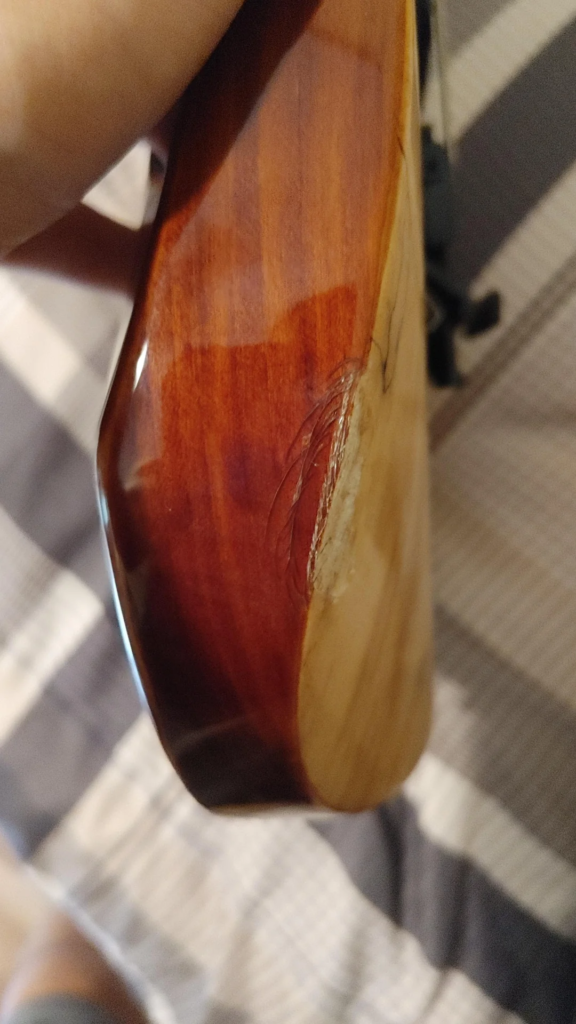
Few moments make a guitarist’s heart sink faster than hearing a guitar hit the floor. Whether it slips during a string change or falls from a stand, the first instinct is usually panic. If your Jackson guitar now has a chipped finish and cracked clear coat, don’t worry. In most cases, the damage is cosmetic and can either be stabilized or repaired without affecting the instrument’s playability.
This guide explains how to assess the damage, what repair options are available, when to attempt a DIY fix, and when it’s better to let a professional handle the repair.
What Happens When a Guitar Is Dropped?
A fall can cause several types of damage depending on the height, impact point, and construction of the guitar.
Common issues include:
- Chipped paint
- Cracked clear coat
- Dented wood
- Neck alignment problems
- Headstock fractures
- Loose hardware
- Bridge or tuner damage
In your case, a small chunk missing from the finish with a cracked top coat is typically a cosmetic repair unless the wood underneath has also cracked.
Step 1: Inspect the Guitar Carefully
Before attempting any repair, inspect the entire instrument.
Check the Neck
Look down the neck from the headstock toward the bridge.
You’re checking for:
- Twisting
- Warping
- New gaps near the neck joint
- Cracks around the headstock
If everything remains straight and tuning stability hasn’t changed, that’s a great sign.
Examine the Impact Area
Determine whether the damage is only in the finish or extends into the wood.
Signs it’s cosmetic:
- Paint chipped off
- Clear coat cracked
- Smooth exposed wood
- No movement when pressed
Signs of structural damage:
- Deep cracks in the wood
- Splitting
- Soft spots
- Visible separation
Structural cracks require professional repair.
Test the Hardware
Check that:
- Tuners still feel solid
- Bridge sits correctly
- Neck bolts remain tight
- Strap buttons haven’t loosened
Should You Fix It Yourself?
That depends on how perfect you want the repair to look.
For many players, battle scars become part of the guitar’s story.
If appearance isn’t critical, the safest approach is simply sealing the exposed wood.
Option 1: Leave It Alone
If the wood isn’t exposed very much, you can simply keep playing.
Many touring musicians leave finish chips untouched because they don’t affect tone or playability.
Pros:
- Zero risk
- Keeps original finish
- No repair cost
Cons:
- Cosmetic damage remains
- Exposed wood can absorb moisture
Option 2: Seal the Exposed Wood
If bare wood is visible, protecting it is recommended.
Many guitar repair technicians use:
- Clear nail polish
- Thin clear lacquer
- Clear polyurethane (depending on finish type)
Apply only a tiny amount using a fine brush.
Allow it to cure completely before touching it.
This prevents moisture from entering the wood.
Option 3: Drop Fill Repair
A drop fill is one of the most common repairs for chipped guitar finishes.
The process involves:
- Cleaning the damaged area
- Filling the chip with matching finish
- Letting it cure
- Level sanding
- Polishing
The repair blends into the surrounding finish without refinishing the entire guitar.
Best for:
- Small chips
- Minor dents
- Clear coat cracks
Difficulty:
Intermediate to advanced.
Option 4: Color Matching
If the chip removed paint as well as clear coat, you’ll need matching color.
Repair usually includes:
- Color touch-up
- Clear coat application
- Wet sanding
- Buffing
Metallic finishes and burst finishes are especially difficult to match.
Option 5: Professional Spot Repair
For sentimental guitars, this is often the best investment.
Professional luthiers can:
- Match factory colors
- Repair clear coat
- Blend new finish
- Polish seamlessly
Costs vary depending on:
- Damage size
- Finish type
- Labor rates
Small cosmetic repairs are usually much cheaper than a complete refinish.
What Not to Do
Avoid these common mistakes.
Don’t Super Glue the Chip
Super glue can:
- Leave white residue
- Damage surrounding finish
- Become difficult to remove
Only experienced repair technicians should use CA glue for finish repairs.

Don’t Sand Immediately
Many people accidentally make the damaged area much larger.
Unless you’re experienced with wet sanding and polishing, leave sanding until the finish has fully cured.
Don’t Use Household Paint
Regular paint won’t match:
- Gloss
- Color
- Durability
- Thickness
Always use guitar-compatible finishing products.
Does Finish Damage Affect Tone?
Almost never.
Small finish chips:
- Don’t change sustain
- Don’t change resonance
- Don’t affect pickups
Only structural cracks influence tone or stability.
Can Moisture Damage the Exposed Wood?
Yes, over time.
That’s why sealing exposed wood is recommended if the chip reaches bare timber.
Humidity changes may eventually discolor or slightly swell unprotected wood.

Is It Worth Refinishing the Entire Guitar?
Usually no.
A complete refinish:
- Is expensive
- Removes the original finish
- Can reduce resale value
- Takes weeks to complete
For one small chip, a spot repair is the better solution.
DIY Repair Tools
If you decide to repair it yourself, gather:
- Microfiber cloth
- Naphtha or guitar-safe cleaner
- Fine artist brush
- Matching touch-up paint (if needed)
- Clear lacquer
- Masking tape
- Wet sanding paper (1500 to 3000 grit)
- Polishing compound
Practice on scrap material before working on the guitar.
Preventing Future Drops
Simple habits can prevent accidents.
- Lay the guitar on a padded bench during string changes.
- Use a neck support.
- Remove only one string at a time if preferred.
- Keep pets and children away from your workspace.
- Install locking strap buttons.
- Use a stable guitar stand.
Frequently Asked Questions
Can I use clear nail polish on my guitar?
For small exposed spots, many players use clear nail polish as a temporary moisture barrier. It won’t perfectly match a factory finish but can protect bare wood.
Will the crack spread?
Finish cracks generally stay cosmetic. Wood cracks, however, can spread and should be repaired quickly.
Should I repaint the entire guitar?
Not unless the damage is extensive. Small chips are usually repaired with spot touch-ups.
Will the guitar lose value?
Minor cosmetic damage has little impact on a player’s instrument. Collectible or vintage guitars may lose some value, but careful professional repairs minimize this.
Can I fix it without special tools?
Yes, if your goal is only to protect exposed wood. Achieving an invisible repair requires specialized materials and experience.
Final Thoughts
Dropping a cherished guitar is frustrating, especially when it carries sentimental value like a gift from your parents. Fortunately, a small chip and cracked clear coat on a Jackson guitar are usually cosmetic issues rather than structural ones.
If the wood is intact and the guitar still plays and tunes normally, you have several options. You can leave the chip as a reminder of years of playing, seal the exposed wood to prevent moisture damage, attempt a careful drop-fill repair, or have a professional luthier restore the finish for the cleanest result.
The key is not to rush. Take time to inspect the damage thoroughly before attempting any repair. A patient approach will preserve both the appearance and longevity of your instrument.
- Best Guitar Strings for Beginners in 2026
- Essential Beginner Guitar Chords Chart: Start Playing Today
- Your First Beginner Guitar Lessons: A Simple Guide
- How Often Should You Change Your Guitar Strings: A Guide
- Guitar Amp Settings Explained for New Players
