

I Dropped My Guitar… Is It Ruined?
Accidents happen, even to experienced guitar players.
A routine string change can turn into a heart-stopping moment when the guitar slips from your hands. That’s exactly what happened here. A beloved Jackson guitar, owned for years and received as a gift from parents, suffered a chip in the body along with visible finish cracks.
The good news?
A chipped finish doesn’t automatically mean your guitar is structurally damaged.
Before attempting any repair, it’s important to determine exactly what was damaged.
Looking at the Damage
Based on the description:
- Small chunk missing
- Finish cracked
- Happened after a fall
- No repair attempts yet
- Guitar still appears intact
This usually falls into one of three categories:
1. Cosmetic Finish Damage (Most Common)
Only the clear coat or paint chipped.
Characteristics:
- Wood isn’t deeply cracked
- Guitar still tunes normally
- Neck alignment unchanged
- No unusual buzzing
This is mostly cosmetic.
2. Wood Dent
Sometimes the finish chips while the wood underneath dents.
You’ll notice:
- Compressed wood fibers
- Slight depression
- Paint missing around impact
This may be repairable without replacing wood.
3. Structural Crack (Less Common)
This requires immediate attention.
Signs include:
- Crack extends into wood
- Neck shifts under string tension
- Guitar won’t stay in tune
- Visible opening in wood grain
- Body flexes
If any of these occur, stop playing until inspected.
First Things You Should Do
Don’t Panic
Many guitars collect battle scars over decades.
Vintage guitars worth thousands often have chips and finish checking.
A cosmetic chip rarely affects sound.
Inspect Carefully
Use bright lighting.
Check:
- Neck joint
- Headstock
- Body edges
- Bridge
- Pickup cavities
- Control cavity
Look for:
- Splitting wood
- Loose hardware
- Lifted finish
- Deep fractures
Remove Dust
Use:
- Soft microfiber cloth
- Dry compressed air
- Soft artist brush
Never use household cleaners.
Check Playability
Ask yourself:
- Does it tune normally?
- Any new fret buzz?
- Action changed?
- Neck straight?
- Bridge lifted?
If everything feels normal, damage is probably cosmetic.
Should You Repair It Yourself?
That depends on your experience.
Leave It Alone If
- Small finish chip
- Doesn’t bother you
- Guitar functions perfectly
Many players simply accept it as character.
DIY Repair Works Best When
- Finish chip is small
- Wood intact
- Comfortable doing detailed work
- Not worried about invisible repair
Professional Repair Recommended
If:
- Wood cracked
- Headstock damaged
- Neck joint affected
- Valuable instrument
- Sentimental guitar
- Large missing finish
How Professionals Repair Finish Chips
Most luthiers follow a process like this.
Step 1
Clean damaged area.
Step 2
Stabilize loose finish.
Step 3
Fill missing material.
Possible fillers:
- CA glue
- Epoxy
- Lacquer fill
- Color-matched finish
Step 4
Level surface.
Step 5
Wet sand.
Step 6
Buff and polish.
The repair often becomes difficult to notice.
Common DIY Methods
Super Glue Drop Fill
Popular for:
- Polyurethane finishes
- Small chips
Pros:
- Affordable
- Strong
- Durable
Cons:
- Easy to make worse
- Requires sanding and polishing
Color Fill
Useful when paint is missing.
May involve:
- Acrylic color
- Automotive touch-up paint
- Matching lacquer
Color matching is usually the hardest part.
Leave It Untouched
Sometimes the safest option.
Advantages:
- No risk
- Original finish preserved
- Honest wear
What NOT to Do
Avoid these mistakes.
❌ Nail polish
❌ Furniture wax
❌ Household glue
❌ Wood filler
❌ Spray paint
❌ Thick epoxy blobs
❌ Sanding aggressively
❌ Polishing before finish cures
These usually make professional repairs more difficult.
Does a Chip Affect Tone?
Generally:
No.
Small finish chips rarely change:
- Sustain
- Resonance
- Pickup output
- Intonation
Only structural cracks affect performance significantly.
When Should You Visit a Luthier?
Immediately if:
- Headstock cracked
- Neck cracked
- Bridge lifting
- Wood separating
- Electronics damaged
- Strings suddenly misaligned
Professional repair prevents worsening damage.
Cost of Repair
Typical cosmetic repair varies depending on:
- Finish type
- Color matching
- Chip size
- Guitar value
- Labor
Small repairs are far less expensive than structural repairs.
Can You Prevent This in the Future?
Absolutely.
During string changes:
- Lay guitar on padded bench
- Support neck
- Use neck cradle
- Remove jewelry
- Work slowly
- Keep floor clear
- Never balance guitar on chair
Simple habits prevent expensive accidents.
Frequently Asked Questions
Will the crack spread?
If only the finish cracked, usually not.
If wood cracked, it can worsen under string tension.

Can I keep playing?
Yes, if:
- Guitar stays in tune
- Neck stable
- No structural damage
Is the guitar worth less?
Minor cosmetic chips reduce resale slightly.
Sentimental value usually matters far more.
Can a repair become invisible?
Experienced luthiers can make many repairs extremely difficult to notice, though perfect invisibility depends on the finish and damage.
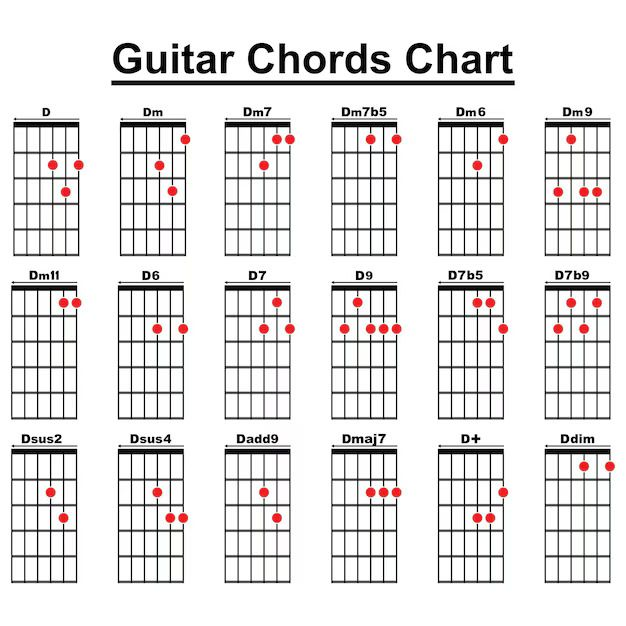
Guitar Chord Spotlight: Understanding the D Chord Family


4
The uploaded image showcases a useful D chord family chart, including:
- D Major
- D Minor (Dm)
- Dm7
- Dm7♭5
- Dm6
- Dm9
- D11
- D6
- D7
- D9
- D7♭5
- D7♭9
- Dsus2
- Dsus4
- Dadd9
- Dmaj7
- D Augmented (D+)
- D Diminished (Ddim)
Learning these chord variations expands your rhythm playing, songwriting, and improvisation while giving your music richer harmonic color.
SEO Analysis Based on Google’s Ranking Signals
To maximize the chances of ranking well for this topic, align the article with the major categories of Google’s quality signals:
1. Helpful, Original Content
- Answer the user’s exact problem from start to finish.
- Include practical repair advice instead of generic explanations.
- Share real-world scenarios and common mistakes.
2. Search Intent Match
Target queries such as:
- I dropped my guitar
- Guitar finish cracked
- Guitar body chip repair
- Jackson guitar repair
- Guitar paint chip fix
- Guitar cosmetic damage
The article should directly solve these intents.
3. EEAT (Experience, Expertise, Authoritativeness, Trustworthiness)
- Explain repair methods accurately.
- Distinguish cosmetic damage from structural issues.
- Avoid exaggerated claims.
- Encourage professional repair for serious cracks.
4. Content Depth
Cover:
- Damage diagnosis
- Repair options
- DIY vs professional repair
- Costs
- Prevention
- FAQs
- Chord learning bonus section
Comprehensive content improves topical authority.
5. On-Page SEO
- Primary keyword in the title, URL, H1, first paragraph, and one H2.
- Descriptive image alt text such as: “D guitar chord family chart showing D, Dm, D7, Dmaj7 and related chord fingerings.”
- Internal links to related guitar maintenance, setup, and chord guides.
- External references only when they add value.
6. Technical SEO
Ensure:
- Fast loading images
- Mobile-friendly layout
- HTTPS
- Valid schema markup (Article + FAQ)
- Optimized Core Web Vitals
7. User Experience
- Short paragraphs
- Clear headings
- Bullet lists
- Helpful visuals
- Easy navigation
- Readable typography
8. Image SEO
Use:
- Descriptive filenames (for example,
d-guitar-chord-chart.webp) - WebP format
- Relevant captions
- Optimized dimensions and compression
- Accurate alt text
9. Internal Linking Strategy
Link naturally to articles about:
- Guitar setup
- String changing
- Guitar cleaning
- Guitar finish care
- Beginner chord lessons
- Guitar maintenance checklist
10. Building Topical Authority
Publish supporting content around:
- Guitar repair guides
- Luthier tips
- Chord libraries
- Guitar maintenance
- Buying guides
- Playing techniques
A cluster of related, high-quality articles strengthens your site’s authority on guitar topics.
Final Thoughts
A dropped guitar can feel heartbreaking, especially when it has sentimental value. In many cases, though, a chipped finish is only cosmetic and won’t affect how the instrument sounds or plays. Start by inspecting the damage carefully, avoid rushed DIY fixes, and seek a professional luthier if you suspect structural damage. Pairing practical repair advice with ongoing maintenance and chord practice helps you keep both your instrument and your playing in great shape for years to come.
- Best Guitar Strings for Beginners in 2026
- Essential Beginner Guitar Chords Chart: Start Playing Today
- Your First Beginner Guitar Lessons: A Simple Guide
- How Often Should You Change Your Guitar Strings: A Guide
- Guitar Amp Settings Explained for New Players
